Queensland
- Simulated date
- —
- Sun elevation
- —
- Air temperature
- —
- Relative humidity
- —
Live feed unavailable.
Two automated terrariums in Breda, each on its own simulated season. A testbed for a digital twin, and later a greenhouse.
See it live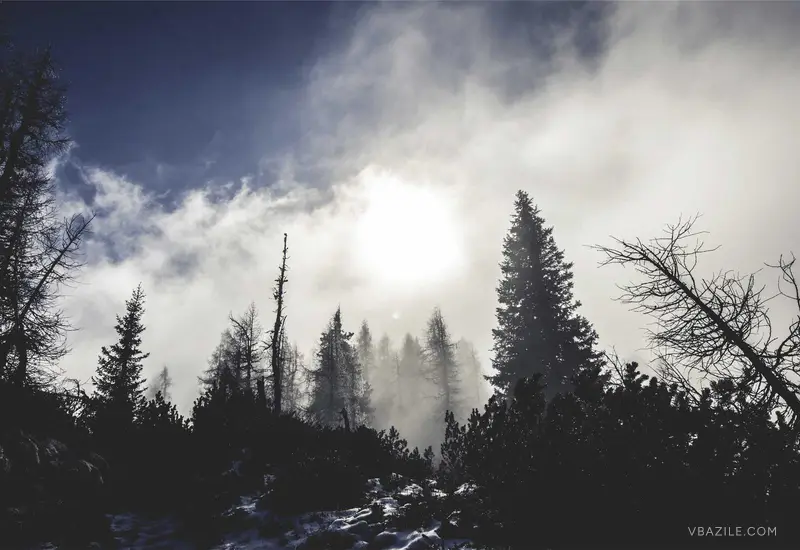
Queensland
Live feed unavailable.
Intermediate
Live feed unavailable.
Four steps from measuring a growing environment to running one.
Climate, light, soil water and LED output are read continuously, timestamped and kept.
QueenslandSeasonal target bands hold without manual input: fog below the band, light on a simulated sun, ebb-and-flow watering under a hard runtime cap. Interlocks stop an actuator before it can do harm.
IntermediateThe environment is modelled: each terrarium computes its own sun and season. The plant is not. A digital shadow, not yet a twin. Setpoints come from literature and 25 years of growing.
QueenslandNext: a controller that picks a setpoint from a predicted crop response.
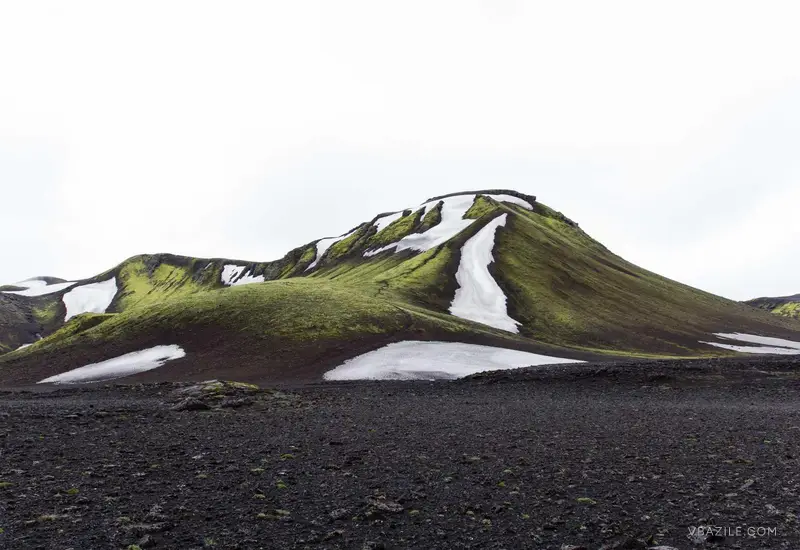
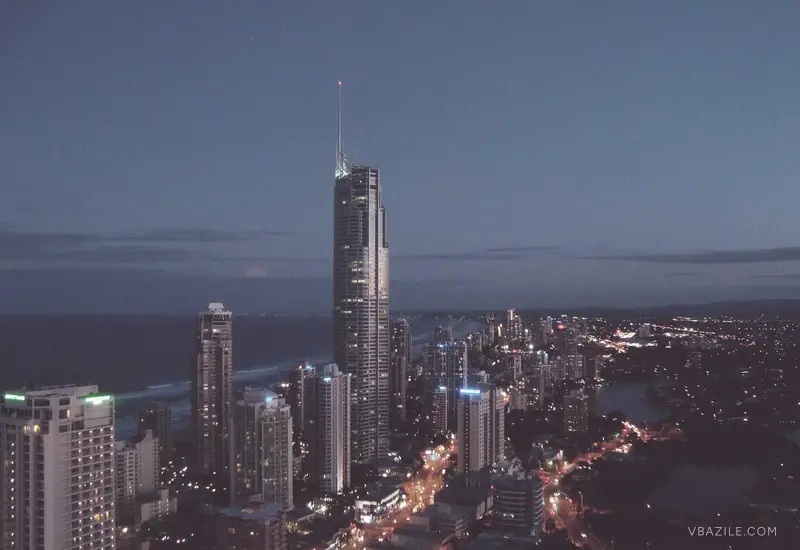
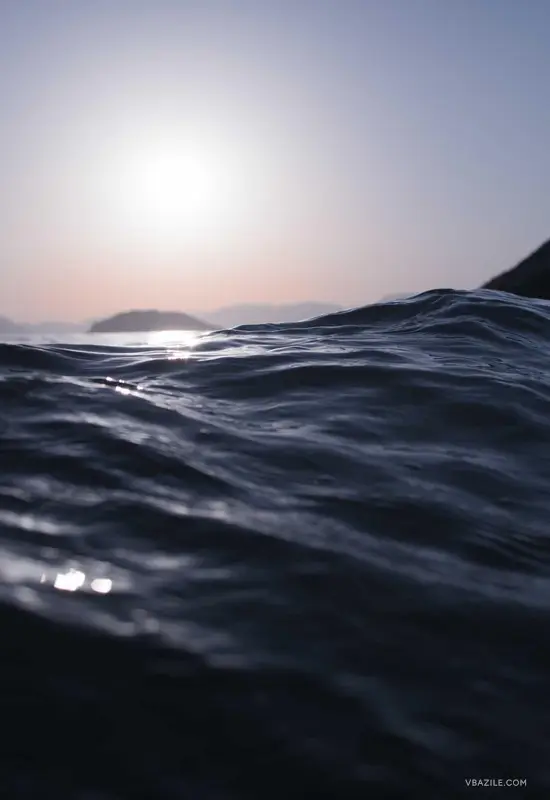
Setpoints come from habitat: the light, the humidity swing and the season a species evolved under. The photographs are from the field.
How the CO₂ setpoint is held through a photoperiod, and what happens when the sensor stops answering.
The first automated photoperiod, the simulated sun behind it, and the readings it produced.
Installations, infrastructure changes and sensor additions, each with its reasoning.